Designing Effective Volunteering Appeals

Photo by Anastasia Shuraeva on Pexels.com

Eva Maria Jedicke1, Stephan Olk2, Adnan Zogaj1, Dieter K. Tscheulin1, Jörg Lindenmeier1, 1 University of Freiburg, Germany, 2 Horn & Company, Düsseldorf, Germany

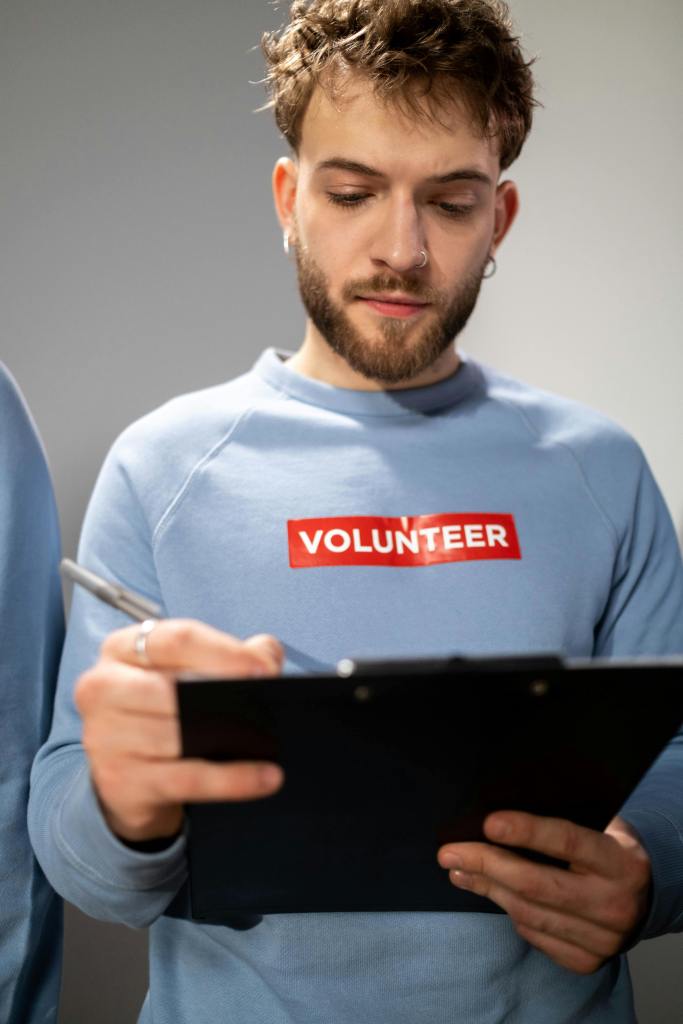
Volunteering is a cornerstone of individual well-being and social cohesion, with millions of people donating their time to nonprofit organizations. Given the increasing demand for volunteers as a resource and the competition nonprofits face, our research examines the role of volunteer appeals, a form of persuasive advertising, in influencing individuals to donate their time to social causes. In our recently published NVSQ article,  we present findings that guide nonprofit organizations in tailoring effective volunteering campaigns, and to tailor volunteer appeals to specific audiences.

In doing so, we considered four critical attributes that can shape volunteer appeals: time commitment; emotion arousing imagery (in particular appeals to “guilt” and “pride”); slogans that activate volunteer motives, and; accountability seals that serve as signals of the credibility and trustworthiness of a nonprofit organization.

Continue reading “Designing Effective Volunteering Appeals”

Achieving organizationality: Spontaneous Volunteering in Large-Scale Crises

Photo by Denniz Futalan on Pexels.com

Christine Carius, Jan Graw, and Carsten Schultz, Kiel University, Germany

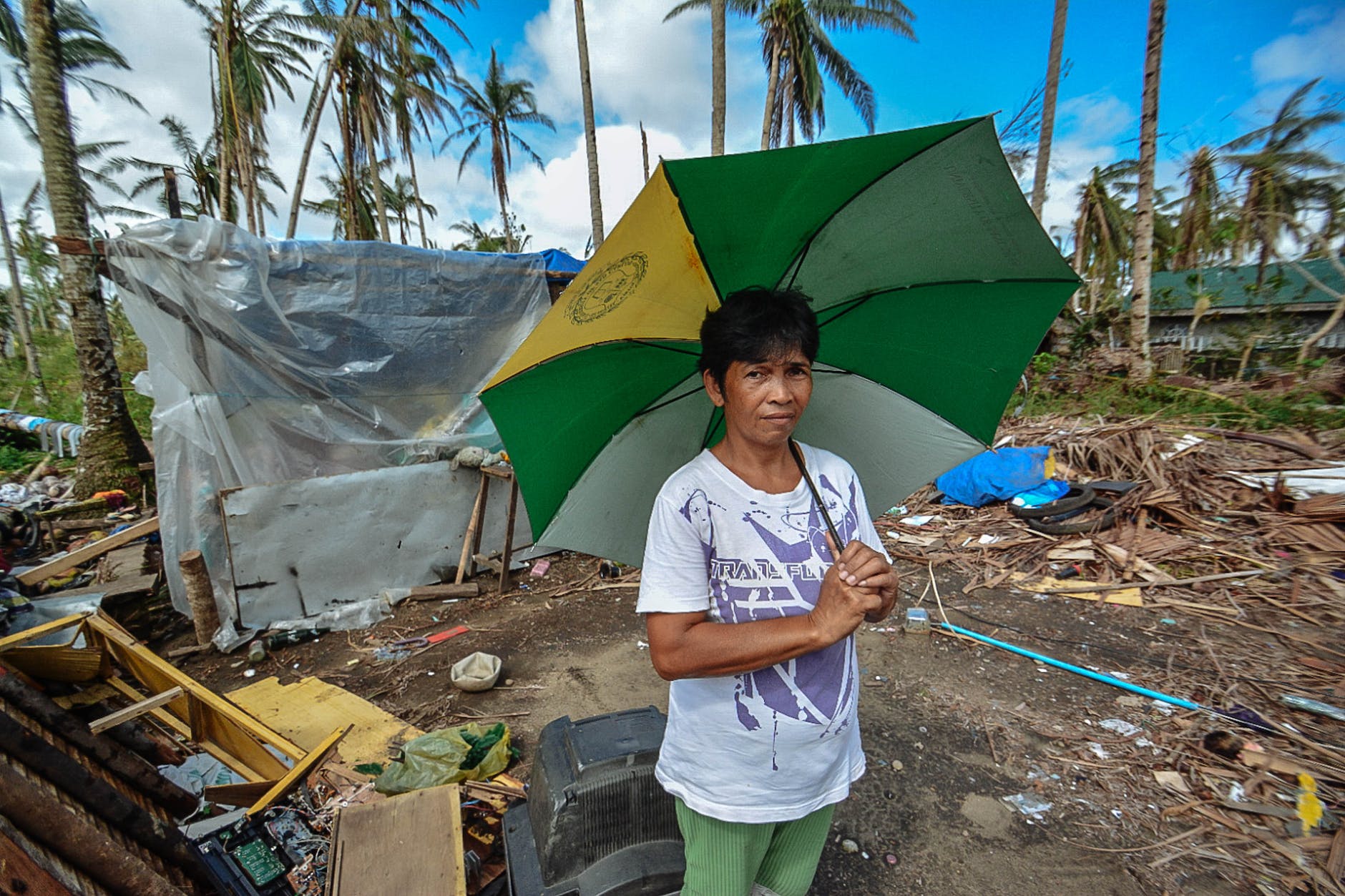
In the face of crises, spontaneous volunteers (SVs) are often the first to leap into action, providing rapid responses to urgent needs where formal relief organizations may fall short. These efforts, born from a sense of necessity when traditional channels falter, are characterized by an improvisational approach, learning as they go. Whether it’s in the aftermath of natural disasters like hurricane Katrina or man-made crises such as the refugee crisis and the COVID-19 pandemic, SVs play a vital role, often filling gaps left by official aid efforts.

Yet, despite their importance, the dynamics of SV collectives remain poorly understood. How do these groups emerge, organize, and coordinate their efforts amidst chaos? The lack of formal authority within SV groups can sometimes lead to conflicts, both internally and with relief forces. As such, achieving legitimacy becomes crucial for effective operation during crises, often requiring the development of a collective identity and recognizable organizational structures.

However, the process of gaining legitimacy while maintaining flexibility and adaptability poses significant challenges. How do SV collectives establish their authority, how can they become legitimate stakeholders and complement relief forces in the best way? We turned to the concept of organizationality, seeking to understand how these groups form and gain legitimacy within the complex situation of crisis response. We aim to unravel the mysteries of SV emergence, organizationality, and legitimacy in the face of adversity. In our recently published NVSQ Article  we tracked the emergence of organizationality in spontaneous volunteers.

Continue reading “Achieving organizationality: Spontaneous Volunteering in Large-Scale Crises”

Generating satisfying volunteer experiences: How to design National Days of Service volunteer projects

Photo by Min An on Pexels.com

Stephanie Maas1,2,Lucas Meijs1, Jeffrey Brudney3

1Erasmus University Rotterdam, The Netherlands, 2Vrije Universiteit Amsterdam, The Netherlands, 3University of North Carolina Wilmington, USA.

The way in which people volunteer is changing. An increasing trend is event-based, short-term activities, such as National Day of Service (NDS) volunteering events, rather than long-term, traditional or ongoing volunteer commitments. NDS events are common across the globe, for example, 9/11 Day, Make a Difference Day and Martin Luther King Jr. Day in the United States, Sewa Day in 25 different countries, Mandela Day in South Africa, and NLdoet in the Netherlands – just to name a few. All of these examples are nationwide volunteering events in which individuals and groups support nonprofit organizations by contributing their time to one-day service projects. In NDS events volunteers may cook for the elderly, maintain buildings, gardens and playgrounds, support a fun afternoon for people with disabilities, and so forth.

These events mobilize large numbers of people to engage in volunteer service, creating enormous amounts of donated labor to help communities. But organizers of NDS events also intend to enhance the profile and create an ethic of volunteering. Intentions to continue volunteering typically depend on volunteer satisfaction, and volunteer managers are interested in achieving retention. This goal is not easy, due to the limited contact time between volunteer and volunteer management; moreover, general volunteer management practices used for long-term volunteer commitments might not work. Nevertheless, nonprofits can plan, structure, and organize NDS projects far in advance to enhance satisfaction of volunteer participants. So, how to design a NDS volunteer project to promote volunteer satisfaction?

Continue reading “Generating satisfying volunteer experiences: How to design National Days of Service volunteer projects”