
Philanthropy’s Hidden Power: How Foundations Quietly Shape Society

Lauren Dula1 , Laurie E. Paarlberg2 , and Imoleayo Adeyeri2

1Binghamton University, State University of New York, USA, 2Lilly Family School of Philanthropy, Indiana University, Indianapolis, USA

Imagine a world where unelected actors—wealthy, well-intentioned, and often invisible—have profound influence over public policy, social change, and even what counts as “the public good.” This isn’t dystopian fiction. It’s the real, often under-scrutinized, but often critiqued, world of philanthropic foundations.

For decades, foundations were seen as benevolent forces—generous patrons funding education, health care, climate action, and poverty alleviation. But as scholars and critics dig deeper, a more complex picture emerges: philanthropy is not only about giving. It’s also about power. The kind of power that shapes narratives, sets agendas, and determines whose voices get heard—and whose don’t. It is also about the norms, values, and government regulations that shape private actors’ capacity to enact their philanthropic values. 

 A recent integrative review by Lauren Dula of Binghamton University, SUNY, and Laurie Paarlberg and Imoleayo Adeyeri, both of the Lily School of Philanthropy, Indiana University (2025) entitled “Philanthropic Foundations and the Exercise of Power: An Integrative Literature Review of The Many Faces of Power” challenges us to take a closer look at the complexities of power and philanthropy, offering a fresh lens: the four faces of power—domination, coercion, subjugation, and manipulation—and how they operate in, through, over, and against philanthropic organizations.

Continue reading “Philanthropy’s Hidden Power: How Foundations Quietly Shape Society”
How and Why Do Diaspora Give?

Satenik Papyan1 & Susan Appe2, 1 Binghamton University, 2 University at Albany, SUNY

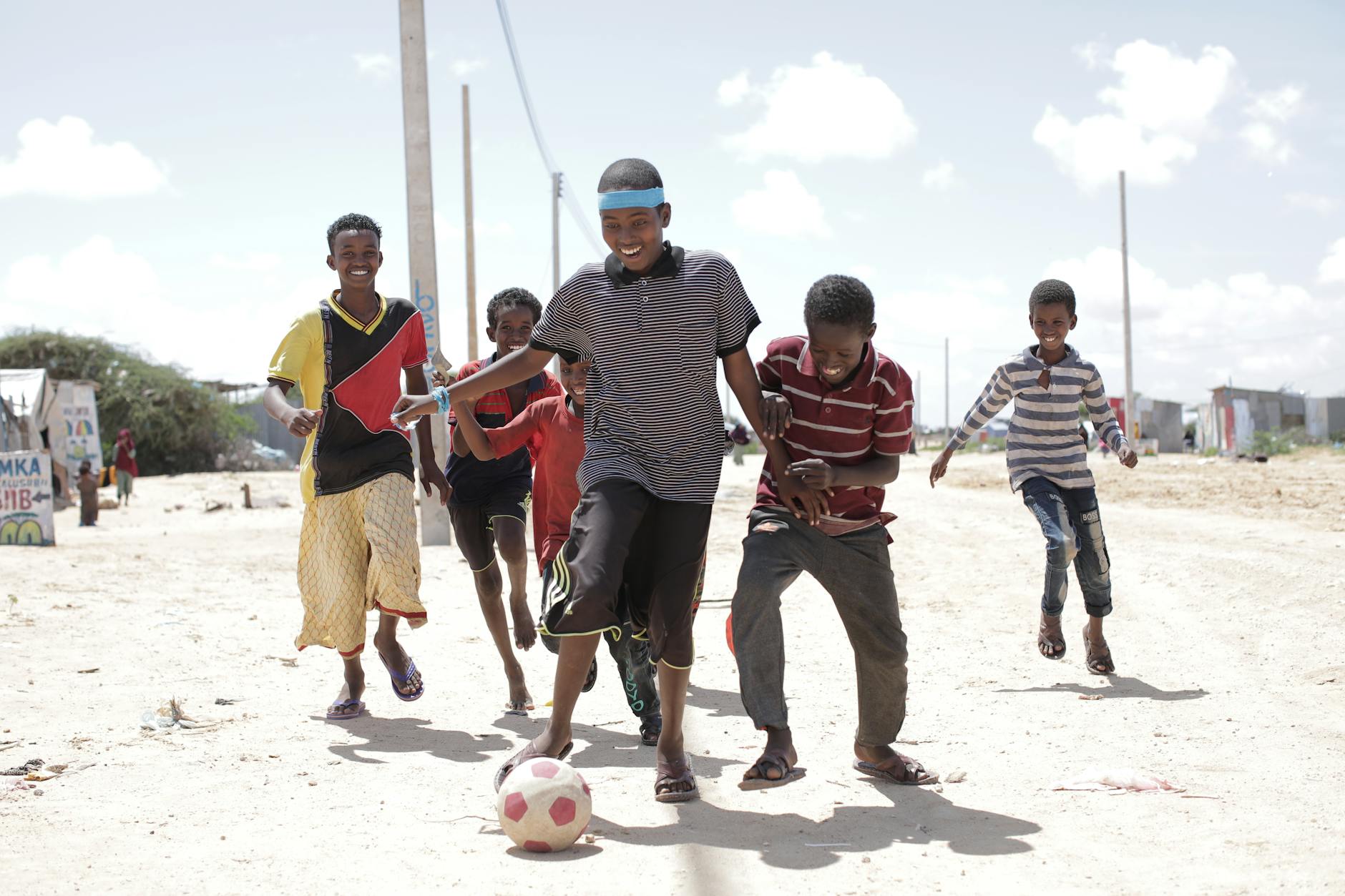
Diaspora philanthropy is the transfer of resources (money, time, labor, knowledge) to countries of origin for the public good. Do you know any diaspora philanthropists, like Kalekeni, the founder of Banda Bola Sports Foundation?Kalekeni moved to the U.S. from Malawi with his family as a teenager. Kalekeni grew up in Chituka, a farming village in Malawi, and while spending his youth in the U.S., he fondly remembered playing sports in Chituka. Longing for that connection, Kalekeni created the Chituka Village Project to serve the children of his home village. This turned into the Banda Bola Sports Foundation, a non-profit organization that uses soccer to promote education and social change in Malawi. The organization is based in Upstate New York and is entirely volunteer-based, with Kalekeni leading its vision.

Diaspora philanthropists leverage collective action.Marcela, with a group of other Boston-based Colombian immigrants, started the New England Association for Colombian Children (NEACOL) to fundraise and support social programs for children in Colombia, for example. The first fundraising initiative was raffling off tickets for Colombian singer-songwriter and actor Carlos Vives’ concert in Boston in 2013. From there NEACOL was created and the next year it was legally incorporated. By 2023, the organization had channeled $350,000 to 33 projects serving 18,000 children in Colombia. Have you heard about the 2nd annual India Giving Day? U.S.-based donors – mostly (but not only) the large Indian diaspora – were called on for the second year in March 2024 to give time and money to India. It is spearheaded by the India Philanthropy Alliance which was created in 2019 by 14 nonprofit organizations in the U.S. that fund development and humanitarian projects in India. In 2024 their efforts raised $5,543,837, from almost 2000 donors to give to 35 organizations serving India.

Continue reading “How and Why Do Diaspora Give?”