Living in-between professional and caregiving identities – The experience of women working in rural development nonprofits in India

Poonam Barhoi1, Manan Pathak2 and Ranjeet Nambudiri3

1Institute of Management Technology Ghaziabad, 2 UPES Dehradun, 3 Indian Institute of Management Indore

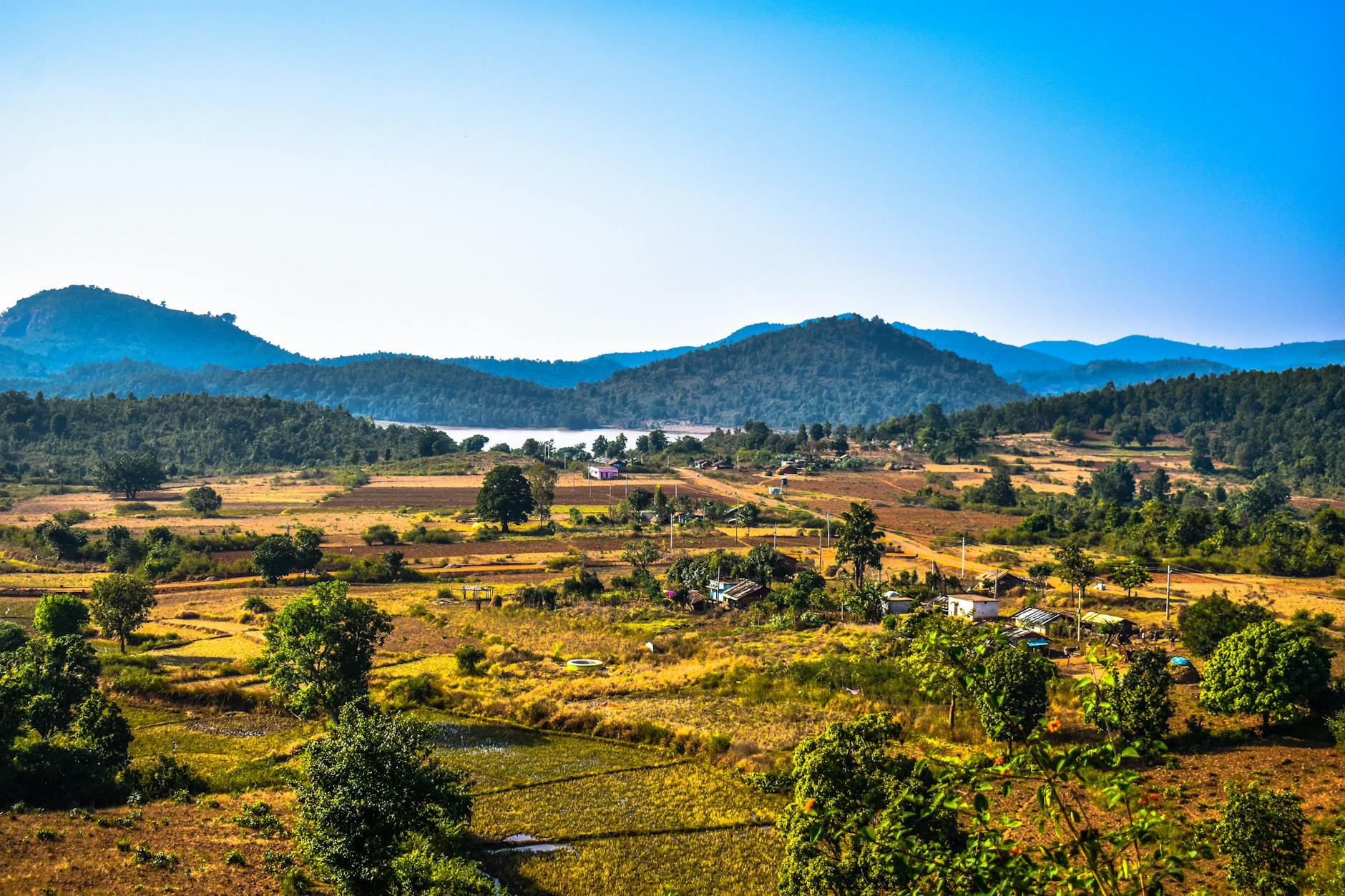
Within rural development nonprofits in India, women professionals find themselves navigating the complex intersection of professional identity and traditional caregiving roles. While the unique socioeconomic conditions of the Global South have created opportunities for women to work in rural development nonprofits in India, obstacles exist in the form of gendered social expectations. Our recent study in NVSQ examines the experiences of such women professionals, who live in the liminality between ‘ideal professional identity’ and ‘traditional caregiving identity’. The study, which involved in-depth interviews with 21 women professionals working in rural development nonprofits across seven states in India, revealed that this liminal state is a source of significant identity conflicts. Our findings suggest that women professionals experience constant guilt due to the conflicting obligations of caregiving and professional worker identities and their inability to justify both roles to themselves.

Continue reading “Living in-between professional and caregiving identities – The experience of women working in rural development nonprofits in India”
Achieving organizationality: Spontaneous Volunteering in Large-Scale Crises

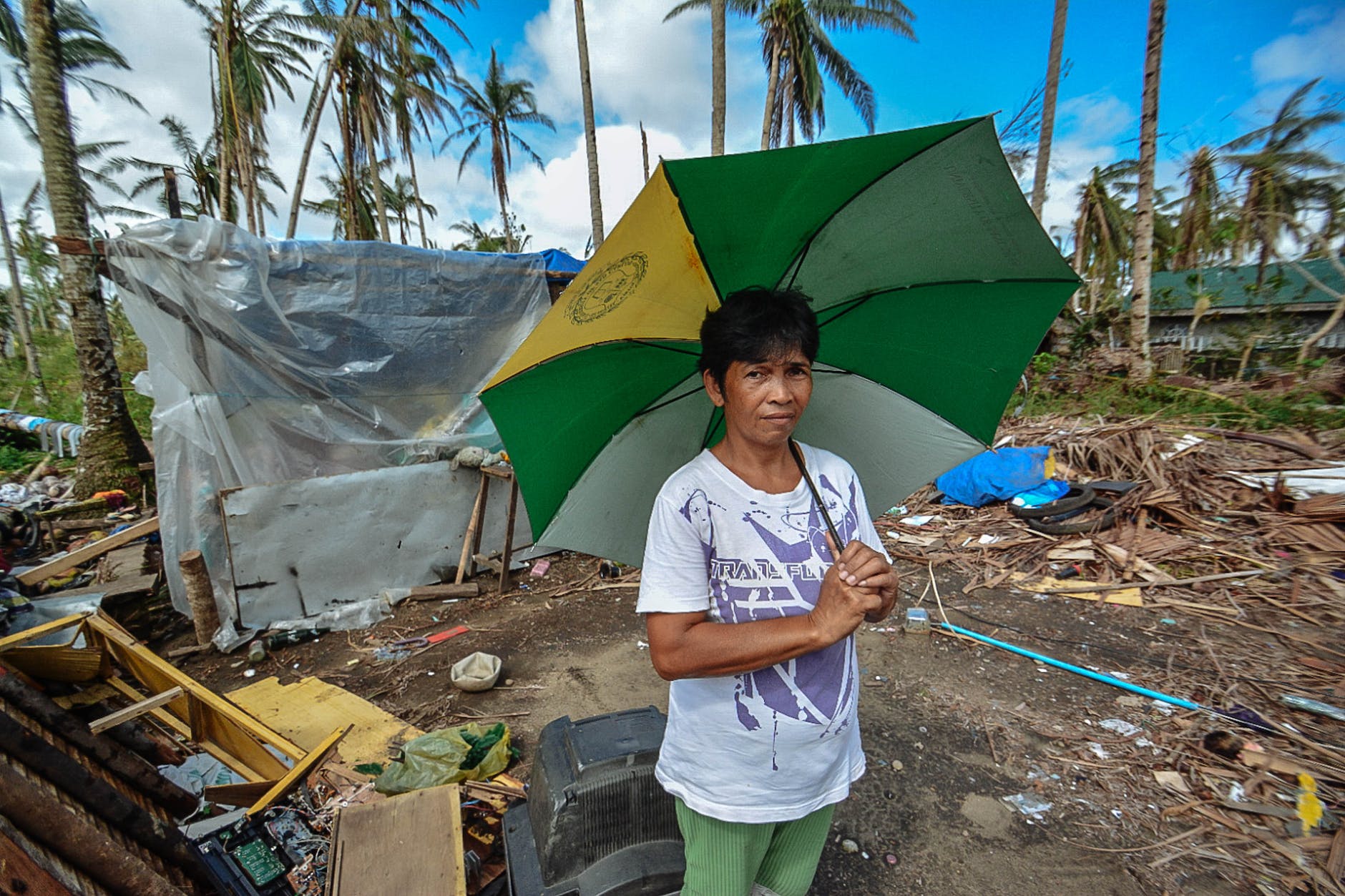
Photo by Denniz Futalan on Pexels.com

Christine Carius, Jan Graw, and Carsten Schultz, Kiel University, Germany

In the face of crises, spontaneous volunteers (SVs) are often the first to leap into action, providing rapid responses to urgent needs where formal relief organizations may fall short. These efforts, born from a sense of necessity when traditional channels falter, are characterized by an improvisational approach, learning as they go. Whether it’s in the aftermath of natural disasters like hurricane Katrina or man-made crises such as the refugee crisis and the COVID-19 pandemic, SVs play a vital role, often filling gaps left by official aid efforts.

Yet, despite their importance, the dynamics of SV collectives remain poorly understood. How do these groups emerge, organize, and coordinate their efforts amidst chaos? The lack of formal authority within SV groups can sometimes lead to conflicts, both internally and with relief forces. As such, achieving legitimacy becomes crucial for effective operation during crises, often requiring the development of a collective identity and recognizable organizational structures.

However, the process of gaining legitimacy while maintaining flexibility and adaptability poses significant challenges. How do SV collectives establish their authority, how can they become legitimate stakeholders and complement relief forces in the best way? We turned to the concept of organizationality, seeking to understand how these groups form and gain legitimacy within the complex situation of crisis response. We aim to unravel the mysteries of SV emergence, organizationality, and legitimacy in the face of adversity. In our recently published NVSQ Article  we tracked the emergence of organizationality in spontaneous volunteers.

Continue reading “Achieving organizationality: Spontaneous Volunteering in Large-Scale Crises”