
Designing Effective Volunteering Appeals

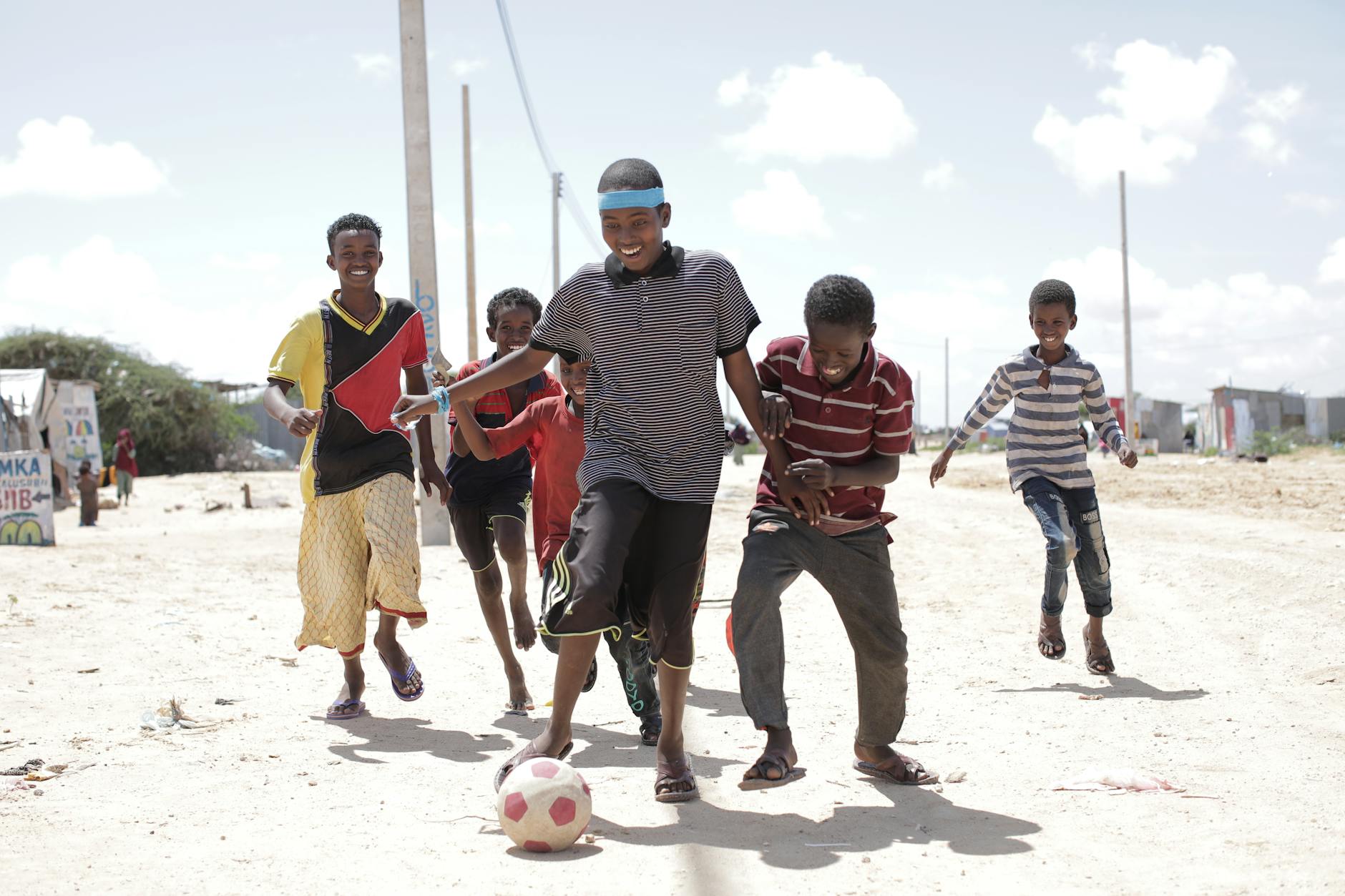
Photo by Anastasia Shuraeva on Pexels.com

Eva Maria Jedicke1, Stephan Olk2, Adnan Zogaj1, Dieter K. Tscheulin1, Jörg Lindenmeier1, 1 University of Freiburg, Germany, 2 Horn & Company, Düsseldorf, Germany

Volunteering is a cornerstone of individual well-being and social cohesion, with millions of people donating their time to nonprofit organizations. Given the increasing demand for volunteers as a resource and the competition nonprofits face, our research examines the role of volunteer appeals, a form of persuasive advertising, in influencing individuals to donate their time to social causes. In our recently published NVSQ article,  we present findings that guide nonprofit organizations in tailoring effective volunteering campaigns, and to tailor volunteer appeals to specific audiences.

In doing so, we considered four critical attributes that can shape volunteer appeals: time commitment; emotion arousing imagery (in particular appeals to “guilt” and “pride”); slogans that activate volunteer motives, and; accountability seals that serve as signals of the credibility and trustworthiness of a nonprofit organization.

Continue reading “Designing Effective Volunteering Appeals”

Achieving organizationality: Spontaneous Volunteering in Large-Scale Crises

Photo by Denniz Futalan on Pexels.com

Christine Carius, Jan Graw, and Carsten Schultz, Kiel University, Germany

In the face of crises, spontaneous volunteers (SVs) are often the first to leap into action, providing rapid responses to urgent needs where formal relief organizations may fall short. These efforts, born from a sense of necessity when traditional channels falter, are characterized by an improvisational approach, learning as they go. Whether it’s in the aftermath of natural disasters like hurricane Katrina or man-made crises such as the refugee crisis and the COVID-19 pandemic, SVs play a vital role, often filling gaps left by official aid efforts.

Yet, despite their importance, the dynamics of SV collectives remain poorly understood. How do these groups emerge, organize, and coordinate their efforts amidst chaos? The lack of formal authority within SV groups can sometimes lead to conflicts, both internally and with relief forces. As such, achieving legitimacy becomes crucial for effective operation during crises, often requiring the development of a collective identity and recognizable organizational structures.

However, the process of gaining legitimacy while maintaining flexibility and adaptability poses significant challenges. How do SV collectives establish their authority, how can they become legitimate stakeholders and complement relief forces in the best way? We turned to the concept of organizationality, seeking to understand how these groups form and gain legitimacy within the complex situation of crisis response. We aim to unravel the mysteries of SV emergence, organizationality, and legitimacy in the face of adversity. In our recently published NVSQ Article  we tracked the emergence of organizationality in spontaneous volunteers.

Continue reading “Achieving organizationality: Spontaneous Volunteering in Large-Scale Crises”

Strategic Management Only Goes So Far…

Photo by cottonbro studio on Pexels.com

Mark Hager, Arizona State University

A friend re-posted a meme to her Facebook this afternoon.  I guess it resonates with people, since it shows as shared 27,000 times:

This meme is fun because it winks at people who don’t remember to water their plants. “It’s not your fault,” says the wink. “It’s the impossible environment that this poor plant found itself in.”  Thing is, failures to water aside, environmental shifts are sometimes the entire explanation for what happens to a plant.  Even if you are diligent at watering, the plant is in trouble if a tornado takes out your house.

That makes sense, right? But somehow we seem to forget this when we study and try to explain the behavior of organizations. That’s my read, anyway: These days, scholars tend to focus on the strategic decisions of managers rather than the environments they operate in. This is odd given how nonprofits have struggled through the pandemic, many of which did not have what it takes to thrive in that fast-paced environment.

Continue reading “Strategic Management Only Goes So Far…”

Nonprofit Social Media Use in the Climate Context

Photo by Geri Tech on Pexels.com

Ani V. Ter-Mkrtchyan and Marshall A. Taylor, New Mexico State University

Social media is often referred to as the nervous system of our society. In a blink of an eye, it transmits various signals between its innumerable components. The nervous system also has a control function over our ability to move, breathe, see, and think.

Nonprofits, in addition to their higher public mobilization capacity, are also more likely to influence public perceptions on various policy issues due to their high credibility compared to pure public or private sectors. This means that people are more likely to base their opinions or form preferences grounded on the perspectives of the nonprofits they trust in both online and offline settings. These factors are particularly important considering how limited our attention is in the context of the Digital Age with its rapid technological change and abundant overflow of information. Inspired by the call for more research on the voluntary sector within the climate crisis context, our interest was to explore how environmental protection and conservation nonprofits are addressing the growing threat of climate change in their social media discourse.

What we did…

Continue reading “Nonprofit Social Media Use in the Climate Context”