An open letter from women of public affairs education[1]
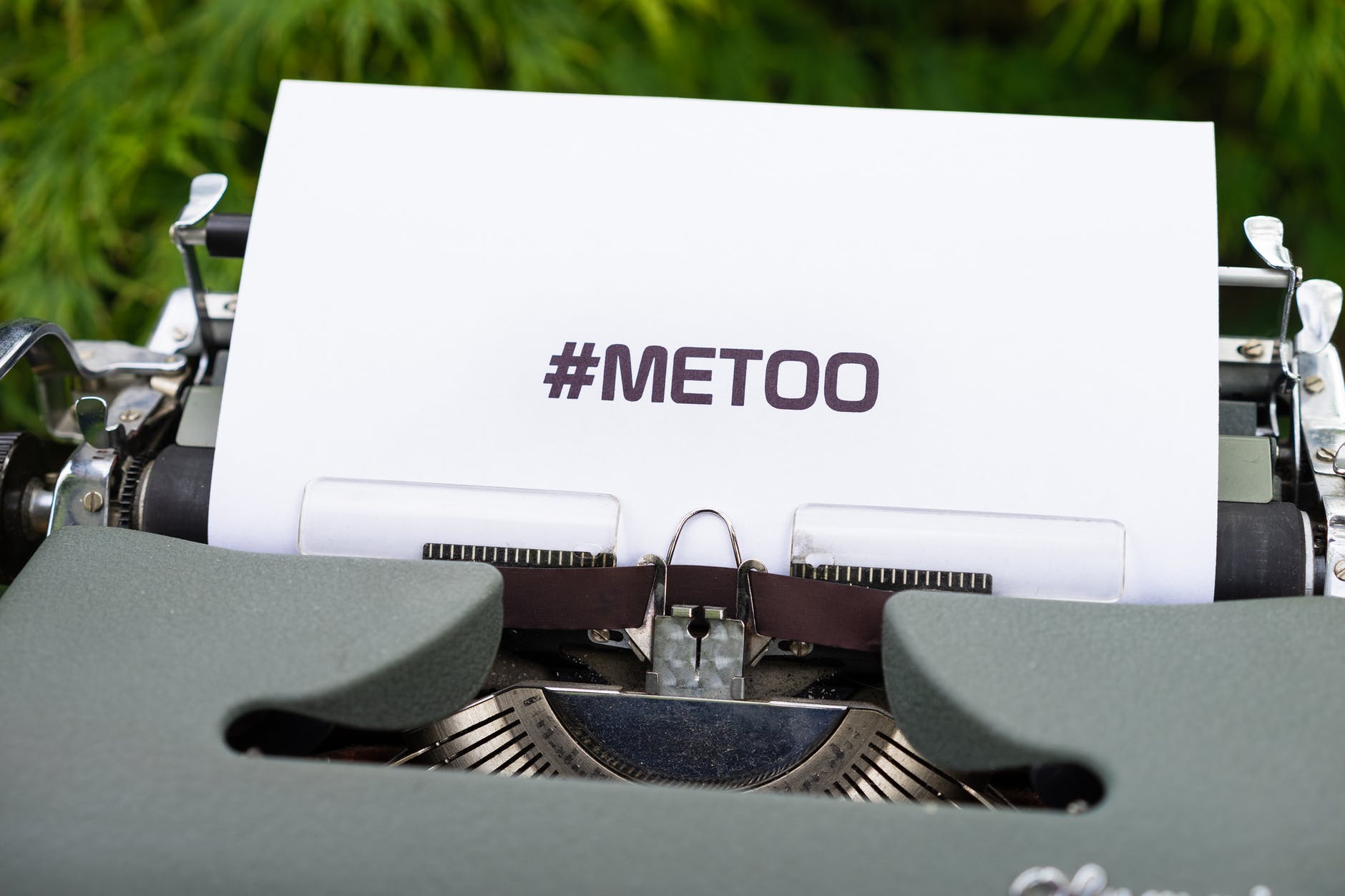
The #MeToo movement is descending upon the walls of the ivory tower. The day of reckoning has come for academia to end teaching staff[2] sexual misconduct. As women educators in public administration[3] and third sector studies[4], we demand to be heard.
The issue of teaching staff perpetrating sexual misconduct is prevalent within academia, and more specifically, in graduate education programmes. In the United States (U.S.), 24.2% of women and 15.6% of men report being sexually victimized as undergraduates on a college campus in just the last two months (Jouriles et al., 2020); and, one out of every ten female graduate students report being sexually harassed by a member of the teaching staff (Cantor et al., 2020). This problem is not just isolated to the U.S. The Australian Human Rights Commission’s (2017) National Report on Sexual Assault and Sexual Harassment at Australian universities found relatively similar numbers with 21% of students reporting being sexually harassed in a university setting, with about 7% being victimized by teaching staff (p. 48).
Continue reading “Erased: Ending faculty sexual misconduct in academia”

 NVSQ Blog