For my new study with Lucas Dixon, Ann Wallin, Tarli Young, Barbara Masser, and Winnifred Louis, just published in Nonprofit and Voluntary Sector Quarterly, we surveyed 1,735 people in 117 countries to ascertain three things:
Do different social groups perceive different charitable causes as normative recipients of their group’s charitable donations?
To what extent is there consensus within groups about normative charitable causes?
Do normative causes align with the actual charity selections of group members?
Jale Tosun and Emiliano Levario Saad, Heidelberg University
The United Nations Secretary-General António Guterres identified climate change, biodiversity loss, and pollution as “three interlinked environmental crises”, which need to be addressed simultaneously. The political leaders of the world acknowledged this interlinkage at the United Nations Biodiversity Conference (COP15), which took place in Montreal, Canada, in December 2022.
Academics and researchers were faster than politicians in realizing the interlinkages between environmental protection, including preserving biodiversity, and climate action. They have reflected on this in different literatures, including studies of environmental/climate policy integration.
The adoption of the Sustainable Development Goals in 2015 gave pertinent research activities a boost and produced numerous conceptual notes which elaborate on how climate action can have either a positive or a negative impact on measures adopted to protect the environment. Research has examined how climate or environmental policies should be designed to avoid negative interactions (when the achievement of an environmental goals could threaten climate goals), or even achieve positive interactions (when measures for achieving environmental goals reinforce climate goals). An example of a potential negative interaction between climate and environmental action is the installation of offshore windfarms which can have serious implications for marine life. An example of a positive interaction is the protection of forests, which offer a habitat to species as well as serve as natural carbon sinks.
Moosa Elayah, Doha Institute for Graduate Studies, Qatar.
With increasing incidence of high-intensity armed conflict around the world, massive and subversive effects on governance systems have resulted, leading to escalated socio-economic vulnerability, food insecurity, commodity dependence, and lack of access to justice for members of civil society. When government authority and legitimacy rapidly decline in the midst of protracted crises, how can civilians access public services? My study (with Nesmah Al-Sameai, Hiba Khodr, andSamah Gamar) looks at how community-based initiatives (CBIs) in fragile states and conflict zones work to overcome state failure to deliver critical and urgent social and economic services through a self-organized, community-based collective. We base our study on the case of Yemen, where hostilities and civil strife collapsed the central government – leaving a huge a void in public service provision. We asked ourselves: ‘In situations of deteriorating government authority and exacerbated humanitarian catastrophe, how can civil society self-organize and play a role in providing essential services to the community?’
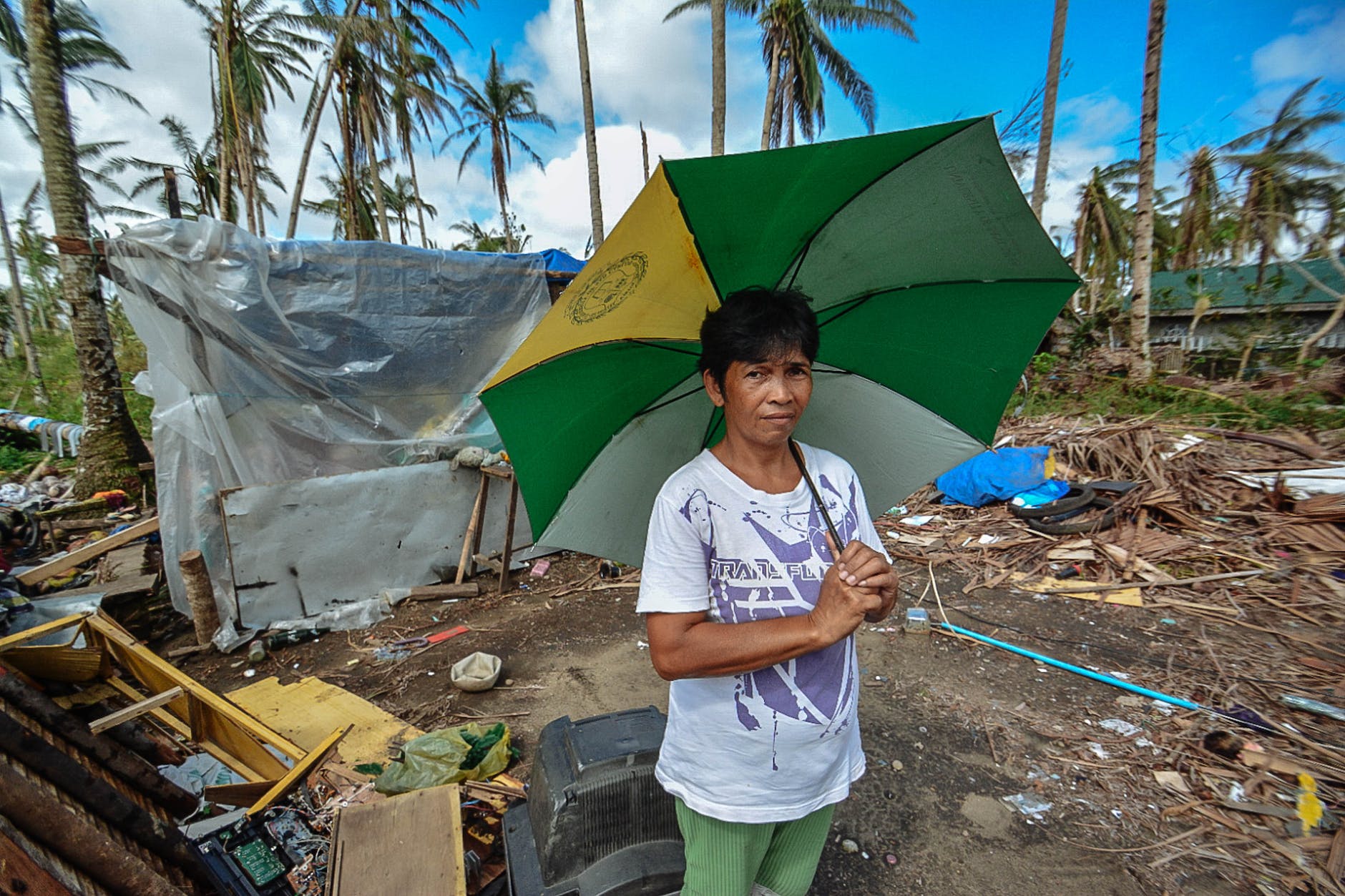
It is February 16, 2021 and it is 3℉ in Dallas, Texas. It is June 25, 2022 and it is 118℉ in Portland, Oregon. Neither of these examples are isolated incidents, though, as these “extremely rare” weather events are now happening more frequently due to climate change.
I bet you have always wondered how nonprofits help after disasters or extreme weather events like these. If you are not in a disaster prone area, or researching disasters like us, you actually may not have thought about this. Well, it may be time to start.