
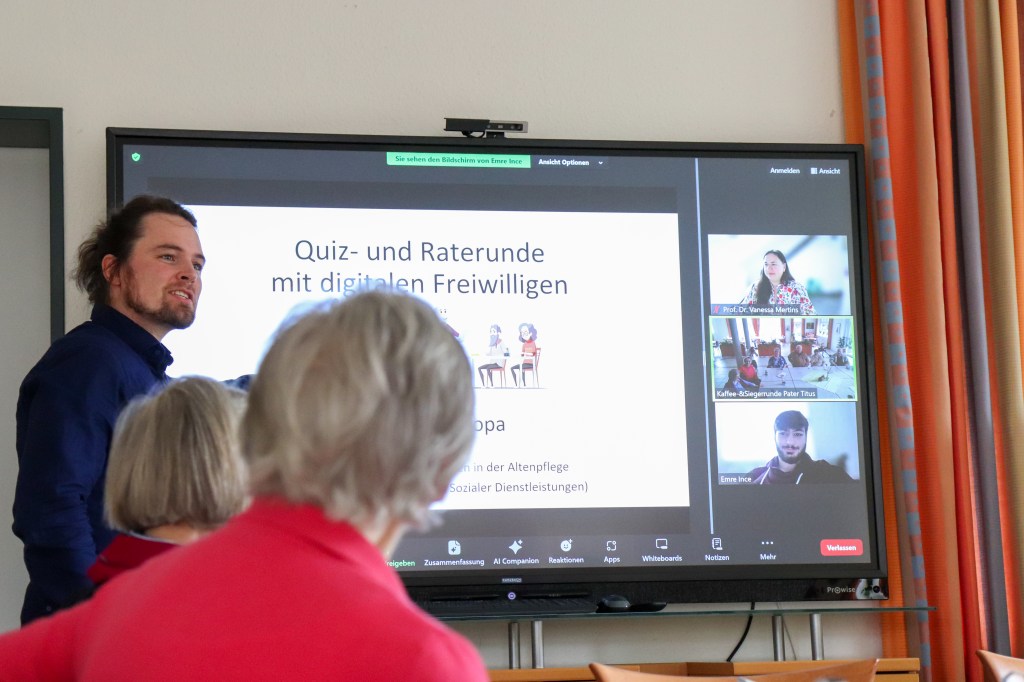
Photo provided by Dr. Hiller
Maximilian Hiller, Devin Kwasniok, and Vanessa Mertins
University of Vechta, Germany
Nonprofits invest real effort in bringing new volunteers into the fold. They refine their messaging, polish their outreach, and try small gestures to make the first step feel welcoming. A branded mug on someone’s desk, a handwritten note slipped into an envelope, or a modest voucher added as a small token of appreciation. Alongside these gifts, they open simple entry points and reach out with an easy ask, hoping a small first yes makes the next one feel natural. All of this effort hinges on the idea that the right external pull helps someone cross the line into action.
Our study tells a quieter, more grounded story. We also expected that these strategies would help, and that the real question was simply which one worked best for sparking repeated engagement. Yet, when we put them to the test in a natural field experiment, their influence proved far smaller than expected. People were not moved by gifts, nor by the light lift we offered. They followed the call because the cause was clear and meaningful. The mission itself did the heavy lifting.
Continue reading “No Gifts, No Strings: How a Good Cause Stands on Its Own”


 NVSQ Blog